
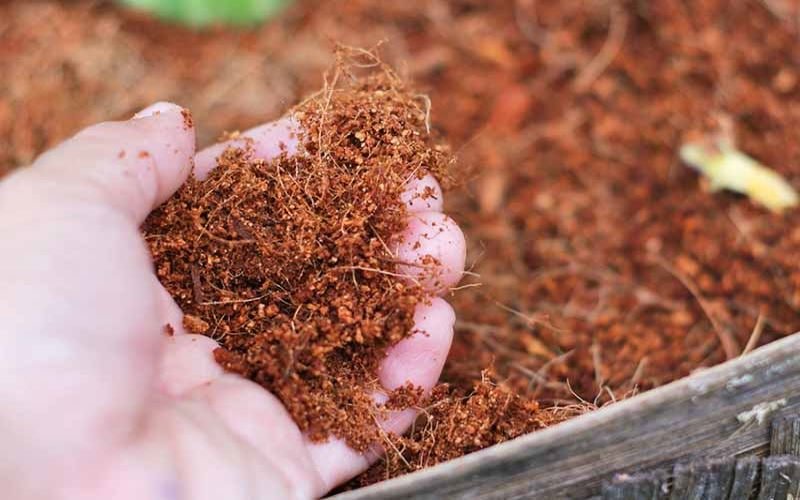
Coir crumbs (also known as coco peat or coir dust) are a valuable, sustainable, and renewable byproduct of coconut processing used extensively in agriculture as a soil amendment, growing medium, and mulch. They are popular due to their neutral pH, high water retention, and excellent aeration.
Primary Agricultural Uses
- Growing Medium: Coco peat is widely used as a soilless growing medium for applications such as hydroponics, greenhouse cultivation, and container gardening.
- Soil Amendment: When mixed into garden or topsoil (typically at a 20-30% ratio), coir crumbs improve soil structure, especially in heavy clay or sandy soils. It loosens hard soil and remains effective for years due to its slow decomposition rate.
- Potting Mix Ingredient: It is a primary ingredient in commercial and DIY potting mixes for a wide variety of plants, including vegetables, flowers, herbs, and succulents. It is often used as a sustainable alternative to peat moss.
- Seed Starting and Rooting: Its fine, sterile, and moisture-retentive texture makes it an ideal medium for germinating seeds in seedling trays and promoting root growth in stem cuttings.
- Mulch: Applied as a layer of mulch, coir crumbs help retain soil moisture, regulate soil temperature, suppress weed growth, and reduce soil erosion.
Key Benefits
- Water Retention and Drainage: Coir has a unique ability to absorb and retain large amounts of water (more than peat), yet its fibrous structure ensures excellent drainage and aeration, which prevents waterlogging and root rot. This reduces watering frequency and conserves water resources.
- Neutral pH: Coir is naturally pH neutral (around 7.0), which is suitable for most plants and vegetables. This eliminates the need to add lime to acidic soils, as is often required when using peat moss.
- Aeration: The air pockets created by the coir promote healthy root development and efficient nutrient uptake.
- Eco-Friendly and Sustainable: As a byproduct of the coconut industry, using coir reuses agricultural waste and is a renewable resource, unlike peat moss, which is harvested from non-renewable natural bogs.
- Disease Resistance: Coir contains natural antifungal properties that can help suppress soil-borne pathogens, leading to healthier plants.
- Nutrient Absorption: Coir has a high cation exchange capacity, allowing it to store nutrients and release them to plants as needed, improving the efficiency of fertilization.
Preparation for Use
Coir crumbs are often sold in compressed bricks or blocks to make transport and storage efficient. Before use, the material needs to be fully hydrated by soaking in water, which causes it to expand significantly into a light, fluffy substrate. While coir itself contains few nutrients, it works best when blended with other amendments like compost or fertilizers to provide a complete nutrient source for plants.
Reviews
There are no reviews yet.